
Healing from Trauma: Understanding Your Nervous System

Understanding Trauma and Its Impact on the Nervous System
Trauma happens when you experience something overwhelming or frightening. It could be a single event or ongoing stress. Your nervous system reacts by going into fight, flight or freeze mode. This response is natural and designed to keep you safe. But when trauma remains unprocessed, your nervous system can stay on high alert long after the danger has passed - confusing the system and making it hard for your brain to file the event, or events, as the past.
This constant state of tension affects your body and mind. You might feel jumpy, have trouble concentrating or struggle with emotional ups and downs. Your sleep might suffer and relationships can become strained. Recognising how trauma affects your nervous system is the first step toward healing.
How Counselling Helps Your Nervous System Adjust
Counselling provides a safe space to explore your feelings and experiences. A skilled counsellor guides you through understanding your trauma and its effects. This process helps your nervous system learn it is safe to relax again.
One approach that supports nervous system adjustment is trauma-informed counselling. This method focuses on creating safety and trust. It respects your pace and needs, helping you feel secure.
At Alison Westmacott Counselling in Orpington, I offer tailored support that helps you reconnect with your body and emotions gently. My approach includes practical tools to manage anxiety and stress, as well as exploring your trauma-related parts reflectively and calmly, making it easier for your nervous system to settle.
Practical Steps You Can Take During Counselling
Counselling is not just about talking. It includes learning skills to soothe your nervous system daily. Here are some practical steps you might explore:
Breathing exercises: Slow, deep breaths can signal your body to relax.
Grounding techniques: Focusing on your senses helps bring you back to the present moment.
Body awareness: Noticing tension and learning to release it can ease discomfort.
Safe space visualisation: Imagining a peaceful place can calm your mind.
Mindfulness practice: Paying gentle attention to your thoughts and feelings without judgement.
These tools help you feel more in control and less overwhelmed. Over time, they support your nervous system in shifting from a state of alert to one of calm.
Comparing Counselling Services That Support Nervous System Healing
If you are looking for support, it helps to know what different counselling services offer. Here are two examples that focus on trauma and nervous system adjustment:
Alison Westmacott Counselling
This service provides professional and compassionate support in Orpington and South East London. Offering tailored therapeutic approaches that include trauma-informed counselling and nervous system regulation techniques. Alison's focus is on helping individuals and couples navigate emotional challenges and improve well-being. You can learn more at Alison Westmacott Counselling.
Mindful Path Therapy
Mindful Path Therapy specialises in mindfulness-based counselling. They use gentle mindfulness exercises combined with talk therapy to help clients regulate their nervous system. This approach is helpful for those who want to build resilience and reduce anxiety. More details are available at Mindful Path Therapy.
Both services offer valuable support, but your choice depends on what feels right for you. Some people prefer a more traditional counselling style, while others find mindfulness-based methods more helpful.
What to Expect When You Start Counselling
Starting counselling can feel uncertain. You might wonder what will happen or if it will really help. Here’s what you can expect:
A welcoming environment: Your counsellor will create a safe, non-judgmental space.
Building trust: You’ll take time to get to know each other and set goals.
Exploring your story: You’ll share your experiences at your own pace.
Learning new skills: Your counsellor will guide you through techniques to calm your nervous system.
Ongoing support: Counselling is a process. You’ll work together over a regularly reviewed and agreed time.
Remember, healing is not a straight line. Some days will feel better than others. Your counsellor will support you through the ups and downs.

Taking Care of Your Nervous System Outside Counselling
Counselling is a powerful step, but you can also support your nervous system on your own. Here are some gentle ways to care for yourself:
Regular movement: Walking, yoga, or stretching can release tension.
Healthy sleep habits: A calm bedtime routine helps your body rest.
Balanced diet: Nourishing food supports overall well-being.
Connection with others: Spending time with people who make you feel safe.
Creative outlets: Drawing, music or writing can express feelings safely.
These activities help your nervous system feel safe and grounded. They work well alongside counselling to build lasting resilience.
When to Seek Professional Help
If trauma symptoms interfere with your daily life, professional support is important. Signs you might need help include:
Persistent anxiety or panic attacks
Difficulty sleeping or nightmares
Feeling numb or disconnected
Struggling with relationships
Overwhelming emotions or mood swings
Counselling can provide the support and tools you need to heal. Services like Alison Westmacott Counselling offer expert guidance tailored to your needs.
The Journey of Healing: Embracing Your Path
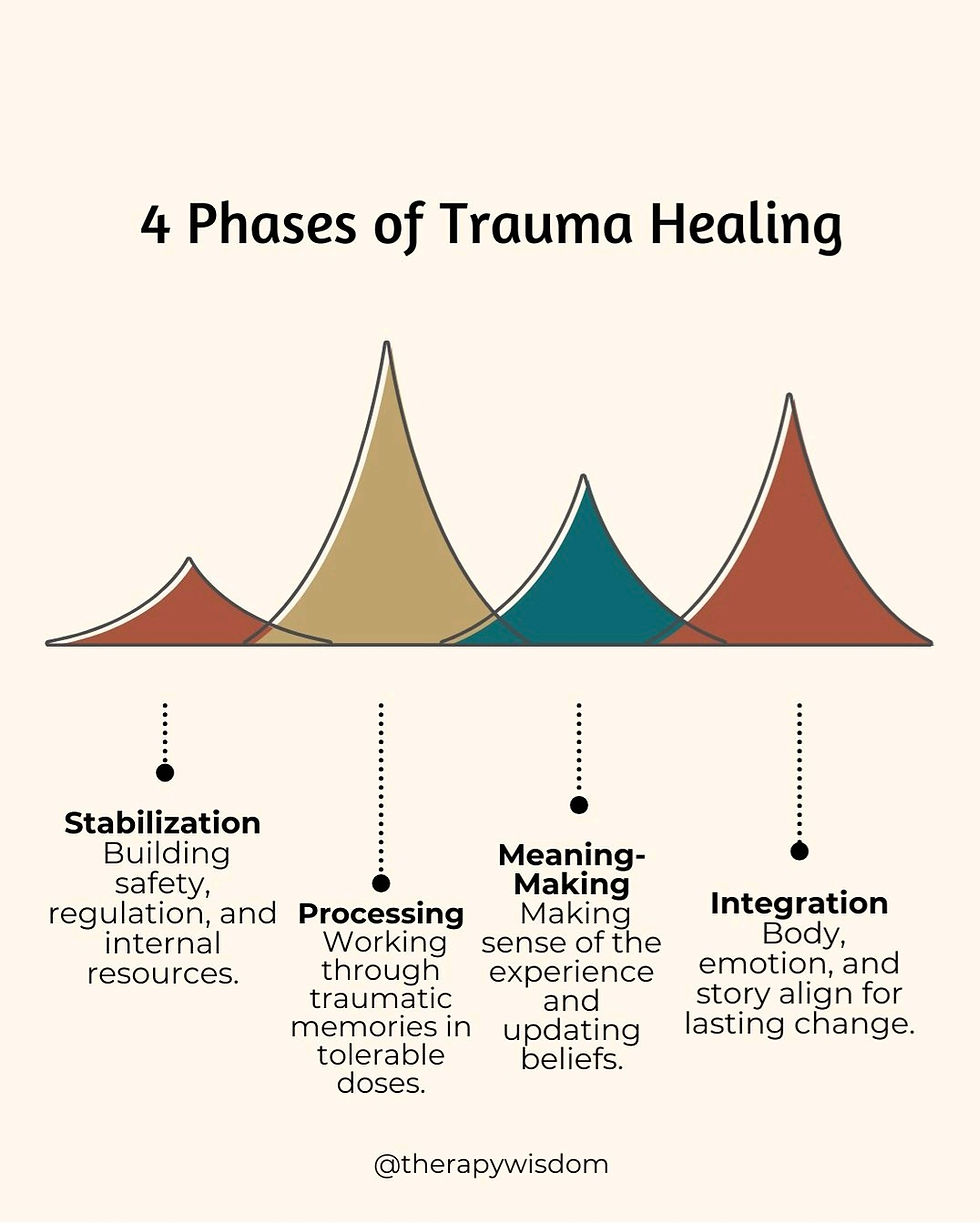
Healing from trauma is a journey that involves your mind and body. Counselling helps your nervous system adjust, allowing you to feel safer and more in control. By learning calming techniques and exploring your experiences in a supportive space, you can move toward greater peace and well-being. Remember, you are not alone and help is available when you are ready to take the next step.
Explore more about how counselling can support your healing at Alison Westmacott Counselling. Taking that first step can open the door to a calmer, more balanced life.
Conclusion: Your Path to Healing
In conclusion, navigating the effects of trauma can feel daunting, but you have the strength to heal. With the right support and tools, you can learn to manage your emotions and find balance. Embrace the journey, and remember that every step you take is a step toward a brighter future. You deserve to feel safe, calm and at peace.


Comments