
Boost Your Relationship with Relationship Improvement Counselling

Updated: Sep 1
When you feel stuck or overwhelmed in your relationship, it can be hard to know where to turn. You might feel anxious, sad, or unsure about the future. Counselling offers a gentle, supportive space where you can explore these feelings and find new ways to connect. It is not about blame or fixing someone else. Instead, it is about understanding, healing, and growing together.
Taking the step to seek relationship improvement counselling can be a powerful choice. It shows your commitment to yourself and your partnership. In this post, I will guide you through how counselling can help, what to expect and practical ways to make the most of it.
How Relationship Improvement Counselling Can Help You
Counselling is a safe place to share your thoughts and feelings without judgment. It helps you and your partner to:
Communicate more openly: Sometimes, it’s hard to say what’s really on your mind. Counselling teaches you how to listen and speak with kindness.
Understand each other better: You learn about your partner’s needs and emotions, and they learn about yours.
Resolve conflicts calmly: Counselling gives you tools to handle disagreements without hurting each other.
Rebuild trust and intimacy: When trust has been shaken, counselling supports you in healing and reconnecting.
Manage stress and anxiety together: Life’s pressures can affect your relationship. Counselling helps you cope as a team.
For example, if you find yourself arguing over small things or feeling distant, counselling can help uncover the deeper feelings behind these patterns. It encourages you to slow down, reflect and respond with care.
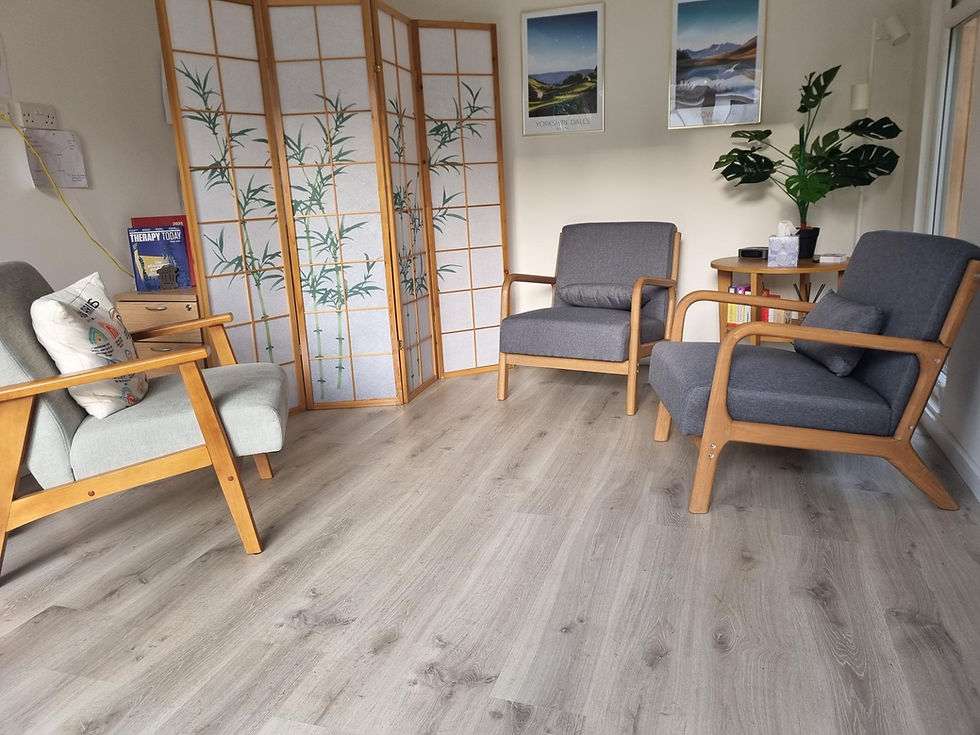
What to Expect in Relationship Improvement Counselling
You might wonder what happens in a counselling session. Here’s a simple overview:
Initial Call: You and your partner meet the counsellor to discuss your goals and concerns. This is a chance to ask questions and feel comfortable.
Exploring Your Story: The counsellor listens carefully as you share your experiences. They help you see patterns and emotions that might be hard to notice on your own.
Learning New Skills: You practice communication techniques, conflict resolution, and ways to express feelings safely.
Setting Goals: Together, you decide what you want to work on, whether it’s improving trust, reducing arguments or feeling closer.
Regular Sessions: Counselling usually happens weekly or fortnightly. Each session builds on the last, helping you grow step by step.
Remember, counselling is a process. It takes time and patience. You might feel vulnerable at times, but that is part of healing. The counsellor is there to support you every step of the way.
Practical Tips to Make the Most of Counselling
To get the best from your counselling experience, consider these simple steps:
Be honest and open: Share your true feelings, even if they feel difficult. This honesty helps the counsellor understand your needs.
Listen actively: Try to hear your partner’s perspective without interrupting or judging.
Practice outside sessions: Use the skills you learn in counselling in your daily life. Small changes can make a big difference.
Be patient with yourself and your partner: Change takes time. Celebrate small wins along the way.
Ask questions: If something is unclear, don’t hesitate to ask your counsellor for guidance.
For example, if you learn a new way to express frustration without blaming, try it at home. Notice how it changes the conversation. These small steps build trust and connection.
Finding the Right Counsellor for You
Choosing a counsellor you feel comfortable with is important. You want someone who listens with warmth and understands your unique situation. If you live near Orpington or South East London, you might consider alison westmacott orpington. Alison offers compassionate, professional support tailored to your needs and is a specifically trained couples counsellor.
When looking for a counsellor, think about:
Their experience with relationship counselling
Their approach and style
How they make you feel during the first meeting
Practical details like location and availability
Trust your instincts. The right counsellor will help you feel safe and hopeful.
Embracing Growth and Connection
Counselling is more than just solving problems. It is about rediscovering the joy and warmth in your relationship. It invites you to grow as individuals and as a couple. You learn to face challenges with kindness and resilience.
Imagine feeling heard, understood and supported. Picture the relief of sharing your worries without fear. This is the gift counselling can bring.
If you are ready to take a step towards healing and connection, counselling can be a gentle guide. It helps you build a stronger, more loving relationship - one conversation at a time.
Remember, seeking help is a sign of strength. You deserve a relationship filled with respect, care, and happiness. Take that first step today.


Comments